


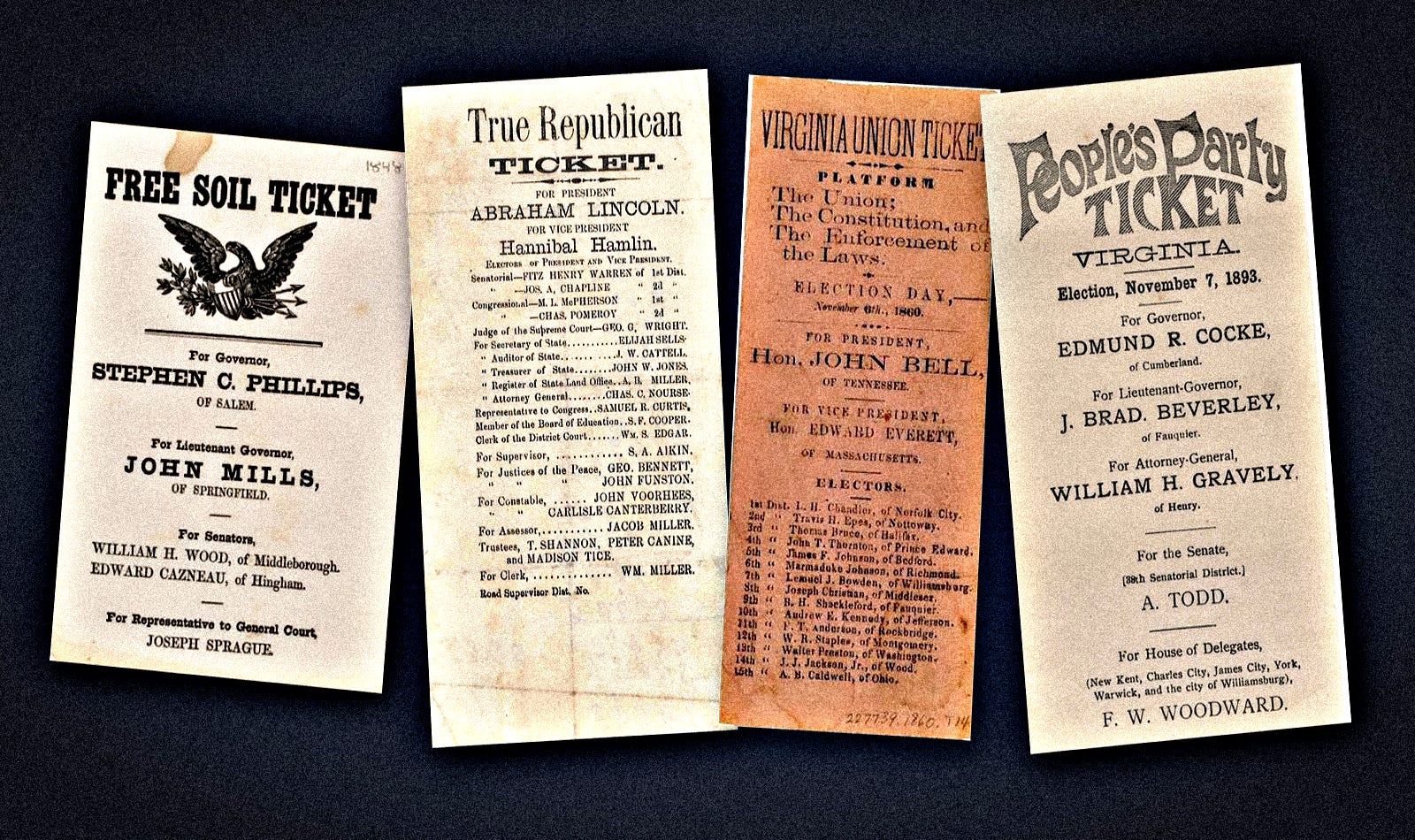
Americans have been telling pollsters for years that they want more choices than the two major parties give them. In Gallup’s polling, about 60% have said for more than a decade that the parties do such a poor job that a third party is needed. Our own ISMA populism survey finds similar results across the political spectrum. Yet when reformers put new election systems on the ballot, voters keep turning them down. Since 2020, proposals for top-two primaries, top-four primaries, and ranked-choice voting have been rejected by the voters in nine states: Florida and Massachusetts in 2020; Arizona, Colorado, Idaho, Montana, Nevada, Oregon, and South Dakota in 2024; and Massachusetts again in the midterms this year.
Under top-two, every candidate runs on a single ballot and the two with the most votes advance to the general election, regardless of party. A top-four primary works the same way but advances four, usually to a general election decided by ranked-choice voting. Ranked-choice voting lets voters rank the candidates in order of preference and, if no one gets over 50% right off the bat, reallocates votes accordingly until somebody has a majority.