


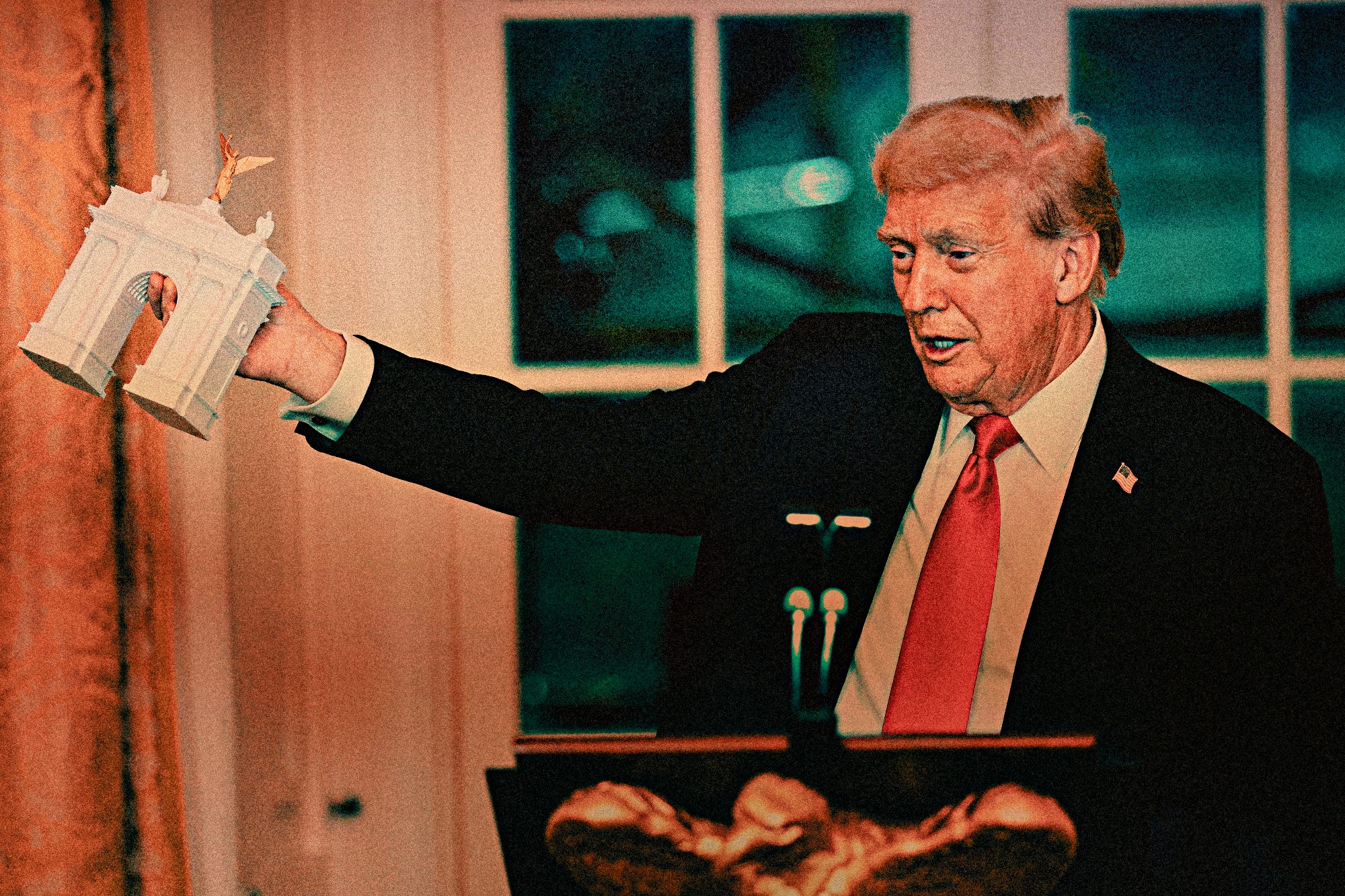
Architecture was central to the ambitions of the great dictators of the 20th century.
For Adolf Hitler, monumental construction was an instrument for demonstrating racial supremacy and imperial domination. Working with Albert Speer, his chief architect and minister for armaments and war production, Hitler envisioned remaking Berlin into a capital commensurate with German conquest of the world. Colossal buildings and sweeping ceremonial avenues would demonstrate the insignificance of the individual beside the majesty of the Reich. Nazi monumental classicism borrowed the forms of earlier empires to give a murderous revolutionary movement roots in ancient history.
Joseph Stalin’s architectural forays emerged from an entirely different ideological tradition but produced comparable demands for grandeur. Soviet construction was supposed to demonstrate that socialism could surpass the capitalist world in power and scale. Stalin’s proposed Palace of the Soviets is a case in point. The enormous structure would have carried a gigantic statue of Lenin above the Moscow cityscape. Though interrupted by World War II and never resumed, the project expressed the ambition to replace religious authority with the authority of the revolutionary state. The demolition in 1931 of the historic Cathedral of Christ the Saviour to make way for the palace was a brutal expression of the Stalinist architectural ethic.
Donald Trump is no Hitler or Stalin, and as I made clear in my last piece for The UnPopulist, the differences matter. But the resemblances matter too, and one of the most telling is their shared use of architecture to project personal and political power.
